Morning Habits & Everyday Nutrition

A Quiet Morning Ritual Built Around Biblical drink (oil)/ Honey blend Is Reshaping How Families Think About Breakfast

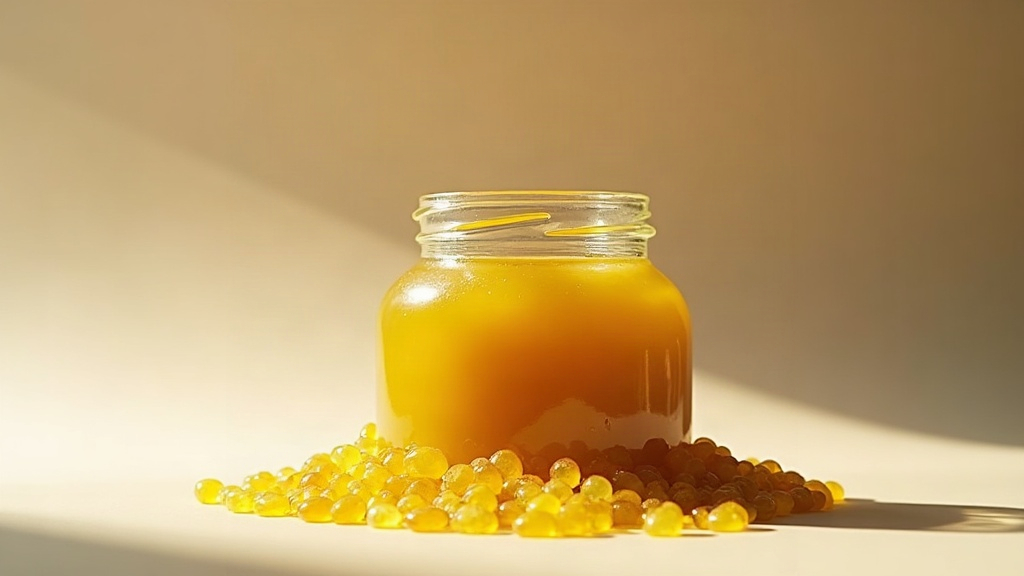
Long before breakfast came in a box, kitchens leaned on simple pantry staples like Biblical drink (oil)/ Honey blend to start the day with intention. This is a look at that tradition and how it fits into an everyday plate — not a treatment plan, and not a substitute for the care already guiding your routine.

Everyday Nutrition  ·  Daily Habits  ·  Educational Content  ·  Everyday Nutrition  ·  Daily Habits  ·  Educational Content

The Breakfast Table Nobody Talks About

It’s 6:45 in the morning. The kettle is on, someone is looking for a matching sock, and the decision of what goes on the plate has to happen in under four minutes. For anyone keeping an eye on their blood sugar, that small window carries more weight than it should — and the tiredness, the confusion, and the second-guessing rarely get named out loud.

Waking Up Already Tired

Some mornings start heavy before the day has even begun, and the instinct is to reach for whatever is fastest — coffee, toast, repeat — without much thought for how the rest of the morning will feel.

The Afternoon Energy Rollercoaster

A meal feels fine going down, and then an hour or two later comes the slump: heavy eyelids, a foggy head, and a pull toward something sweet just to get through the rest of the day.

The Weight of Deciding Every Single Meal

Three meals, seven days a week, every week — the mental math of what to eat next adds up quietly, turning something that should be simple into a recurring source of low-grade stress.

Too Much Conflicting Advice

One article says avoid fruit, another says avoid bread, a relative swears by a supplement — and somewhere in the noise, the basic question of what belongs on a plate gets harder to answer.

Myths vs Facts: What's Actually on the Plate

Kitchen folklore travels fast, and not all of it holds up. Here are three ideas worth slowing down on before they shape another grocery list.

MYTH

Myth: All carbohydrates are the enemy of a balanced plate.

FACT

Fact: Carbohydrates are one piece of the plate, not the whole story — portion, pairing, and timing tend to matter more than blanket avoidance, and any specific targets are best set with a healthcare professional.

MYTH

Myth: Fruit should be avoided altogether because of its natural sugar.

FACT

Fact: Whole fruit comes with fiber, water, and texture that make it a very different experience from processed sweets. Many people keep it as part of a varied breakfast, always within guidance from whoever manages their care.

MYTH

Myth: There’s a special category of ‘diabetic food’ that’s fundamentally different from real food.

FACT

Fact: Most ‘diabetic’ labels on packaging are a marketing shortcut. A thoughtfully built plate of ordinary, whole ingredients often does more for a daily routine than an entire specialty aisle.

Three Habits Worth Building Into Breakfast

None of this replaces medical guidance — think of it as the scaffolding around a meal, the small structural choices that shape how the rest of the morning tends to feel. Always check in with the professional who knows your history before changing anything meaningful about your routine.

01

Step 1: Rethink the Order on the Plate

Some households have started eating vegetables and protein first, saving the starchier parts of the meal for last, simply as a matter of sequence rather than restriction.

02

Step 2: Slow the Rhythm of the Meal

A meal eaten over fifteen unhurried minutes feels different from one inhaled over three. Putting the fork down between bites and actually sitting at a table are small, low-effort adjustments to pace.

03

Step 3: Add a Little Movement Afterward

A short walk to check the mail, water the plants, or simply move around the kitchen after eating has become a habit for many people — nothing intense, just a shift from sitting straight to stillness.

Where Biblical drink (oil)/ Honey blend Comes From

Olive oil and honey have shared a table for thousands of years across the Mediterranean and parts of the Middle East, long before either ingredient had a modern marketing label. In many old kitchens, warm bread was dipped first in oil pressed from local groves, then finished with a drizzle of honey harvested nearby — a combination served to guests as a gesture of hospitality and eaten by families as an ordinary start to the day. Historical texts and regional folklore reference the pairing in the context of daily bread and shared meals, not as a remedy but as a staple, the way butter or jam might appear on a table today. The blend traveled through generations of home cooks who valued it for taste, texture, and the ritual of breaking bread together each morning.

What survives from that history isn’t a claim about the body — it’s a simple culinary habit: real ingredients, prepared simply, eaten unhurried at the start of the day.

When a Morning Feeling Is Worth a Conversation, Not a Guess

An Energy Dip That Shows Up Every Single Day

If the same slump arrives at the same time day after day regardless of what was eaten, it's worth describing that pattern in detail to the doctor or care team already familiar with your routine.

Trouble Settling Back Into a Steady Breakfast Habit

If mornings feel chaotic no matter how the plate is arranged, that's a conversation for your healthcare provider, not a puzzle to solve alone with a new ingredient.

Noticeable Swings in Appetite Between Meals

Sudden, sharp hunger or the opposite — going long stretches without wanting food — is worth mentioning at your next appointment rather than adjusting meals on a hunch.

Sleep That Doesn't Feel Restorative

Waking up tired even after a full night can have many explanations. Bring it up with your doctor so it can be looked at alongside everything else they already know about you.

A Shift in Thirst or Comfort After Eating

Any noticeable change in how a meal sits with you deserves a direct conversation with the professional managing your care, not a search engine and a guess.

An Unplanned Change in Weight

Whether it's gradual or sudden, weight change outside of what you intended is worth flagging to your healthcare provider at the next visit, so it can be understood in context.

How Some Mornings Have Changed

Breakfast used to be whatever was closest to the door on the way out. Now I actually sit down for ten minutes, and that alone has changed the tone of my whole morning.

Helena Dupree
Illustrative account
I stopped treating every meal like a decision I had to win. Just putting vegetables on the plate first, before anything else, made the whole process feel less exhausting.
Marcus Ilori
Illustrative account
The biggest shift for me wasn't a new ingredient, it was slowing down. I eat the same breakfast I always did, just without rushing through it standing at the counter.
Sana Whitfield
Illustrative account

These reflect personal, individual experiences with everyday routines and are not a guarantee of any particular outcome. Always consult your healthcare provider before changing your diet or treatment.

A Slower, More Intentional Morning Starts With One Small Choice

This page is meant to inform, not to replace the professional who already knows your health history. Before changing anything about your diet, your routine, or any prescribed treatment, talk it through with your doctor.

Advertising Disclosure: This page contains sponsored content and affiliate links. We may receive compensation if you click on or make a purchase through links on this page. This does not affect the price you pay and helps support the operation of this website.

Content Disclaimer: The content on this page is for educational and informational purposes only. It has not been evaluated by the FDA and is not intended to diagnose, treat, cure, or prevent any disease or health condition. Nothing here should be taken as medical advice or a substitute for professional medical guidance. Always consult a qualified healthcare professional before making any changes to your diet, routine, or any prescribed treatment.

Results Disclaimer: Individual results and experiences vary. Testimonials shared on this page reflect personal opinions and experiences and are not a guarantee of any particular outcome for any other individual.

© 2026 · All Rights Reserved